Immediate Feedback
Horses respond in real time to human body language, emotions, and energy, helping clients quickly recognize patterns in their behavior.
Engages Resistant or Hard-to-Reach Clients
Especially effective for youth or individuals who may struggle with traditional talk therapy.
Reveals Patterns and Dynamics
As the client begins to interact and relate with the horse, they will begin to identify relational patterns (avoidance, control, inconsistency) that may also exist in their human relationships, offering opportunities for insight and change.
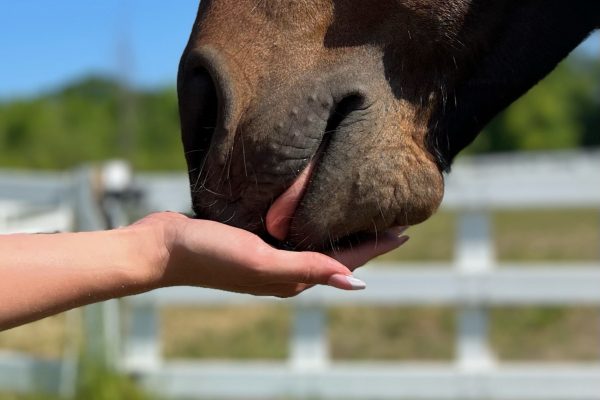
Enhances Emotional Awareness
Clients become more aware of their internal states as they examine the relationship and interactions between human and horse.
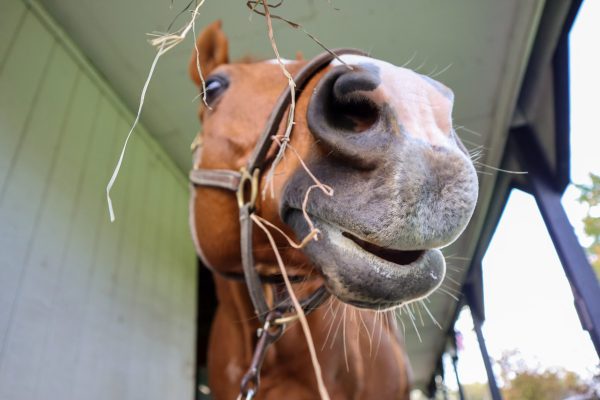
Supports Regulation of the Nervous System
Interacting with horses can promote calmness, grounding, and co-regulation, especially for individuals with trauma or anxiety.
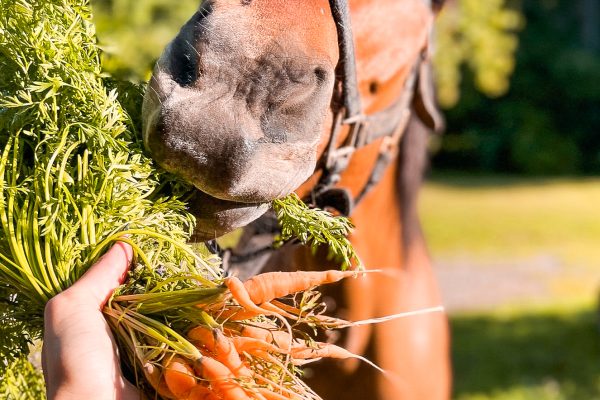
Promotes Mindfulness and Presence
Working with horses requires being present and attuned, encouraging mindfulness in a natural setting.
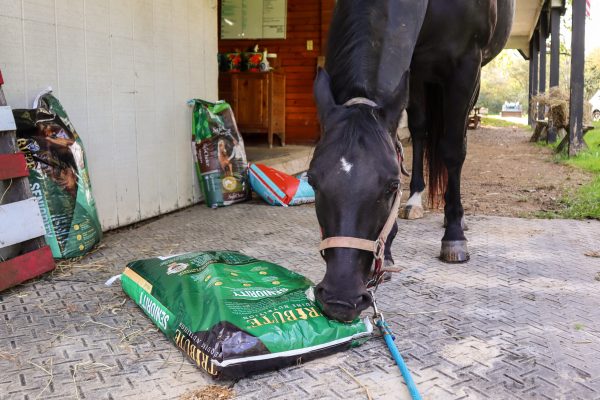
Improves Communication Skills
Clients practice clear, assertive, and congruent communication—both verbal and nonverbal.
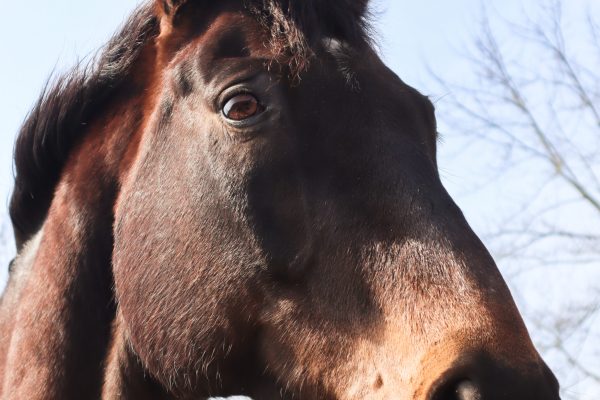
Incorporates Movement and Sensory Experience
Being outdoors and physically engaged can enhance therapeutic outcomes and support whole-body learning, helping to integrate healing.
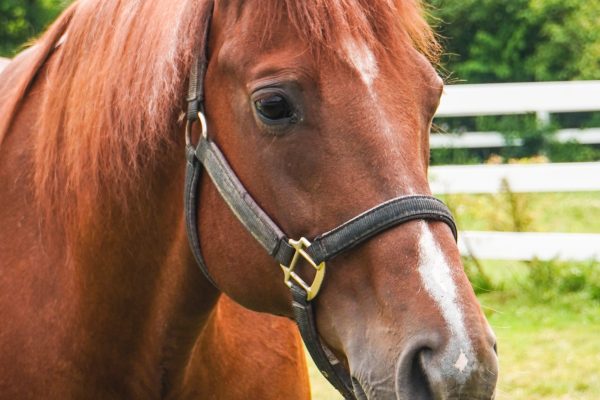
Experiential Learning
Clients learn by doing rather than just talking, which can lead to deeper insight and longer-lasting change.
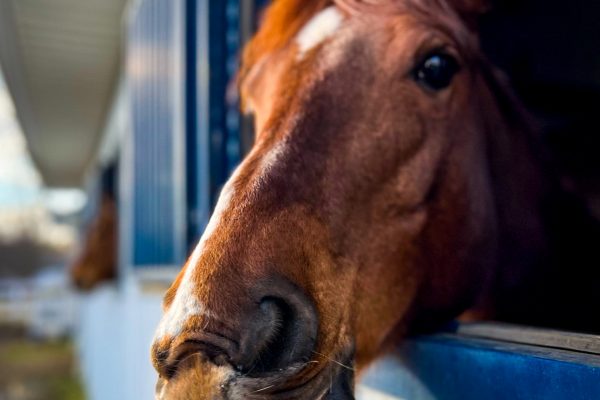
Builds Trust and Attachment
Developing a relationship with a horse can help clients practice trust, boundaries, and healthy connection.
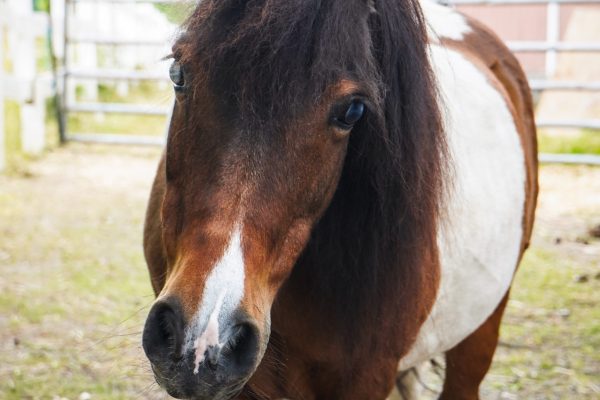
Encourages Confidence and Empowerment
Successfully interacting with a large animal can increase self-efficacy and personal confidence.
Naturally Supports Boundaries
Horses require clear and respectful boundaries, helping clients learn and practice this skill in real time.